
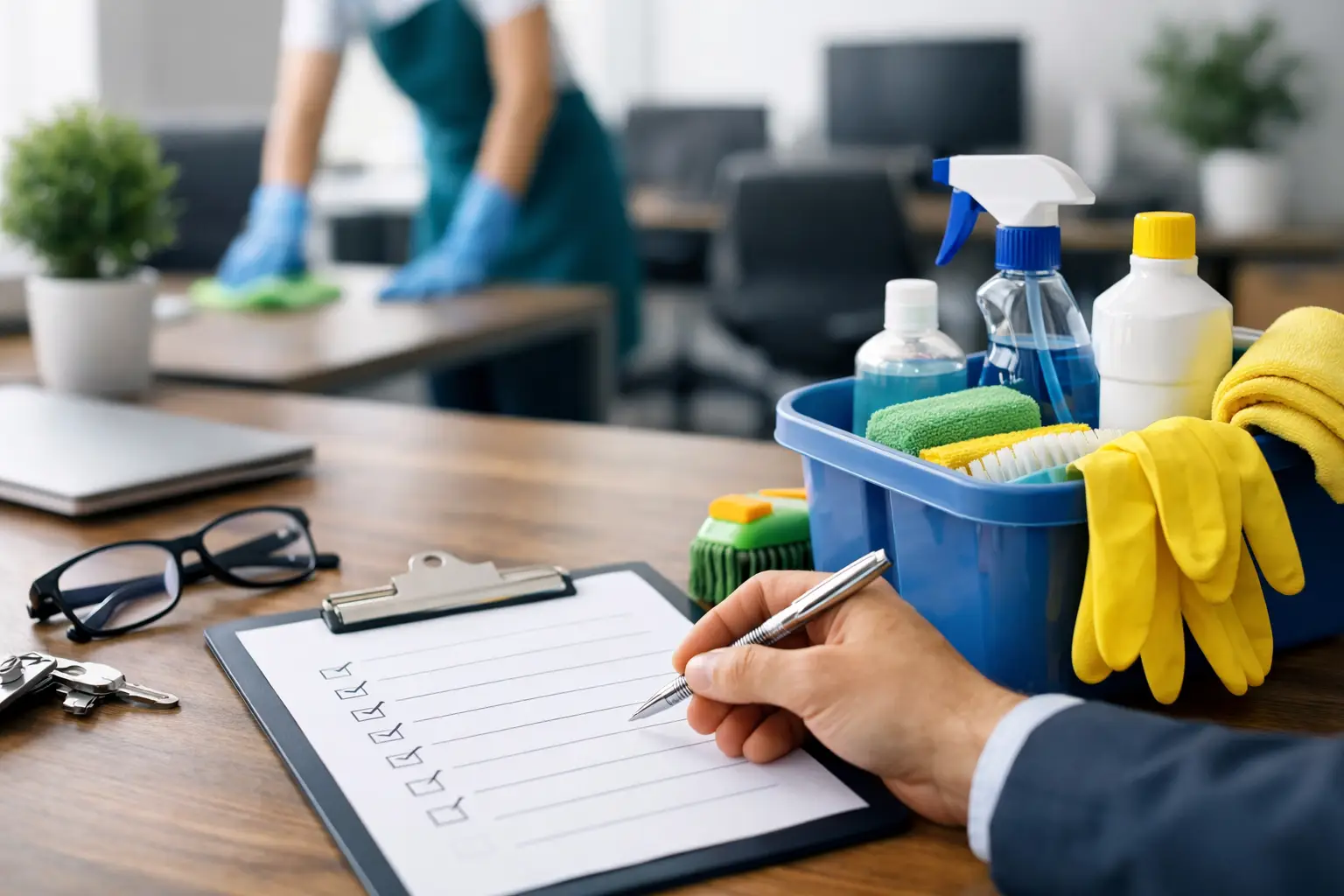
A clean office rarely stays that way by accident. In most workplaces, standards slip when cleaning is treated as a simple after-hours task instead of an operational control. An effective office cleaning checklist for managers gives you a clearer way to monitor hygiene, protect presentation, reduce complaints and keep day-to-day activity running without disruption.
For office managers, facilities teams and property stakeholders, the challenge is not just whether cleaning gets done. It is whether the right tasks are done at the right frequency, in the right areas, and to a standard that supports staff wellbeing, visitor confidence and site compliance. That is where a structured checklist matters.
Why managers need more than a basic cleaning list
A generic list that says vacuum floors, empty bins and wipe desks may look fine on paper, but it usually misses the areas that create the most issues. High-touch points, shared amenities, breakout spaces, lift buttons, entry glass and washroom consumables all affect how people judge a workplace. If those areas are inconsistent, the entire office can feel poorly managed, even when the floor looks clean.
Managers also need a checklist that reflects how the site actually operates. A corporate office with low visitor traffic has different priorities from a multi-tenant commercial building, a medical administration office or a workplace with a large kitchen and heavy bathroom use. Cleaning frequency, risk level and traffic patterns should shape the checklist, not the other way around.
Building an office cleaning checklist for managers
The most practical approach is to organise the checklist by zone, then set daily, weekly and periodic tasks. This gives managers a realistic framework for inspections, contractor oversight and internal reporting.
Reception and entry areas
Reception sets the tone for the whole site. Floors should be vacuumed or mopped as required, entry mats checked, glass cleaned, fingerprints removed from doors and handles, and all hard surfaces dusted or wiped. If your office receives regular visitors, this area may need spot cleaning during business hours rather than one clean at night.
Pay attention to signage, skirting boards, seating and any decorative surfaces. These are easy to miss in a rushed service but highly visible to clients and staff.
Workstations, offices and meeting rooms
Desks, phones, screens and keyboards are often sensitive areas because staff may not want cleaners moving paperwork or equipment. That makes scope clarity important. Managers should define what is included, what is excluded and whether staff are expected to clear desks for effective cleaning.
At a minimum, floors should be vacuumed, hard surfaces wiped, bins emptied and touchpoints sanitised. Meeting rooms need extra attention because they have frequent turnover. Tables, chair arms, remote controls, whiteboards and shared devices should be checked daily in busy offices.
Kitchens and breakout spaces
These areas usually generate the fastest complaints. Benches, sinks, taps, appliance fronts, microwave interiors, cupboard handles and tables should all be cleaned regularly. Rubbish and recycling need close monitoring, especially in warmer months when odours can build quickly.
If the office has a large headcount or staggered shifts, a once-daily clean may not be enough. Midday touch-up services can make a noticeable difference in presentation and hygiene. This is also where supply management matters. Dishwashing liquid, paper towel and hand soap should not run out between visits.
Bathrooms and washrooms
Bathrooms are a direct reflection of site standards. Toilets, urinals, basins, mirrors, partitions, dispensers and floors should be cleaned and sanitised thoroughly. Consumables such as toilet paper, hand soap, sanitary bins and paper towel need to be restocked before they become an issue.
For managers, the key question is not whether washrooms are on the checklist, but whether the service frequency matches actual use. In high-occupancy offices, bathroom checks during the day can be necessary to maintain hygiene and presentation.
Shared touchpoints and common areas
High-touch surfaces deserve their own section in any office cleaning checklist for managers because they can be overlooked when tasks are grouped too broadly. Door handles, light switches, lift buttons, handrails, shared printers, kitchenette handles and access panels should be sanitised routinely.
This is especially relevant in workplaces that prioritise infection control, have public-facing traffic or operate with hybrid teams moving in and out throughout the week.
Setting the right cleaning frequency
One of the biggest mistakes managers make is applying the same cleaning schedule to every space. That may control cost in the short term, but it often creates service gaps and unnecessary call-backs.
Daily cleaning usually covers bins, floors, bathrooms, kitchens, touchpoints and visible presentation areas. Weekly tasks might include more detailed dusting, internal glass, skirting boards and deeper kitchen cleaning. Periodic works can include carpet cleaning, window cleaning, pressure cleaning, strip and seal, upholstery cleaning or high dusting.
The right schedule depends on occupancy, hours of operation, building type and risk profile. A small office with low foot traffic may need a lighter recurring scope. A large commercial site with frequent visitors, multiple amenities and shared facilities often needs broader coverage and a more active management process.
What managers should inspect routinely
A checklist is only useful if someone verifies results. Visual inspections should focus on consistency, not just obvious mess. Floors may be vacuumed but still show edge build-up. Bathrooms may smell clean but have empty dispensers. Kitchens may appear tidy while bins are contaminated or appliance handles are greasy.
Good inspections look at presentation, hygiene, consumables, odour control and signs of missed detail. It also helps to track recurring issues by area. If the same problem keeps appearing, the cause may be incorrect scope, poor timing, limited staffing or a mismatch between site use and cleaning frequency.
Common gaps in office cleaning programs
In many offices, cleaning problems are not caused by poor effort alone. They come from unclear expectations. Managers often inherit a contractor arrangement that has been rolled over for years without a proper scope review. During that time, staff numbers grow, floorplans change and common areas become more heavily used.
Typical gaps include under-serviced bathrooms, neglected internal glass, poor bin management, low attention to touchpoints and no clear ownership of consumables. Another common issue is separating cleaning from broader facility needs. If plumbing faults, damaged fittings, poor ventilation or overflowing waste areas are affecting hygiene, cleaning alone will not solve the problem.
That is why many businesses prefer an integrated provider model. When cleaning sits alongside maintenance, waste management and other support services, it becomes easier to resolve the source of the issue rather than repeatedly treating the symptom.
How to make the checklist work in real operations
The strongest checklists are practical, site-specific and easy to audit. They do not try to cover every possible task in one long generic document. Instead, they reflect the building layout, your operating hours, risk areas and the service levels expected by your organisation.
Managers should make sure the checklist matches the contract scope, includes clear frequencies and identifies who is responsible for reporting defects, low stock or damage. It should also leave room for periodic reviews. Cleaning standards should adapt when occupancy changes, tenancy changes or seasonal conditions affect the site.
For multi-site operators, consistency matters just as much as flexibility. A national or multi-location business needs standard reporting and accountability, but each office may still require local adjustments. A CBD office tower, for example, has different demands from a suburban administrative site.
Perfect One Services Australia supports this kind of operational approach by aligning cleaning with broader facility performance, not just appearance at the end of a shift.
A practical benchmark for managers
If you are reviewing your current program, a useful benchmark is simple. Can you walk through the office at any point in the day and feel confident about bathrooms, kitchens, reception, bins, floors and touchpoints without needing to explain away issues? If the answer is no, the checklist, frequency or service model likely needs attention.
Clean offices support more than presentation. They influence hygiene, staff experience, asset condition and the way your organisation is perceived by clients, visitors and tenants. A strong checklist gives managers control over those outcomes and makes cleaning easier to manage as part of the wider facility operation.
The best cleaning program is not the one with the longest task list. It is the one that fits the site, holds up under daily use and gives you confidence that standards will stay where they should be.